
Risk & Execution
Protect capital, define exposure before entry, and turn analysis into a repeatable execution process that can survive a series of trades.
Good analysis is worthless without controlled execution.
Risk Management defines how much can be lost. Execution defines how consistently the plan is applied. Together they determine whether a trading process remains stable across wins, losses and changing market conditions.
Risk defines survival
Capital preservation keeps future opportunities available and limits the damage of individual outcomes.
Execution defines consistency
A strong process applies the same rules before, during and after every trade.
Discipline links both
Risk rules only matter when they are followed under real market pressure.
Define the loss before chasing the profit.
Every trade contains uncertainty. Risk Management does not eliminate that uncertainty; it controls the financial impact when the market does not behave as expected.
The objective is not to avoid losses. It is to ensure that no single trade, emotional decision or short losing sequence can materially damage the account.
Planned execution vs. emotional execution
The difference is rarely technical. It is whether the trader follows the process when money, uncertainty and pressure are involved.
Rules are defined before the trade.
The entry, invalidation, position size and management plan are established before capital is committed.
- Predefined criteria
- Consistent position sizing
- Clear management rules
- Objective review after exit
The plan changes after exposure begins.
Risk, targets or decisions are adjusted because of fear, greed, frustration or overconfidence.
- Size based on conviction
- Moving stops without a rule
- Revenge trading
- Entering before confirmation
A repeatable process matters more than one outcome.
Professional execution is built around a sequence that can be repeated regardless of whether the previous trade won or lost.
Define the setup
Only consider trades that meet predefined structural and contextual criteria.
Calculate risk
Determine the maximum acceptable loss and the correct position size.
Execute the plan
Place orders according to the rules rather than reacting to short-term emotion.
Review the process
Evaluate whether the trade was executed correctly, independent of the result.
The Framework creates the idea. Risk & Execution determine whether it is tradable.
Liquidity, Market Structure and Macro provide context. Market Behavior explains the human forces behind price. Risk & Execution convert that information into controlled action.
Magic Keys
Standardize position sizing, order placement and trade management. Magic Keys helps reduce manual friction and turns predefined risk rules into a faster, more consistent execution process.
- Risk-based position sizing
- Faster order placement
- Structured stop-loss and take-profit management
- Useful across multiple trading platforms
Dominion Markets
Use a trading environment that supports execution, analytics and review. Dominion Markets provides the platform infrastructure needed to place, monitor and evaluate trades within a structured process.
- Forex, Gold, Indices and Crypto
- Execution-focused trading environment
- Built-in journaling and analytics
- Performance tracking and review
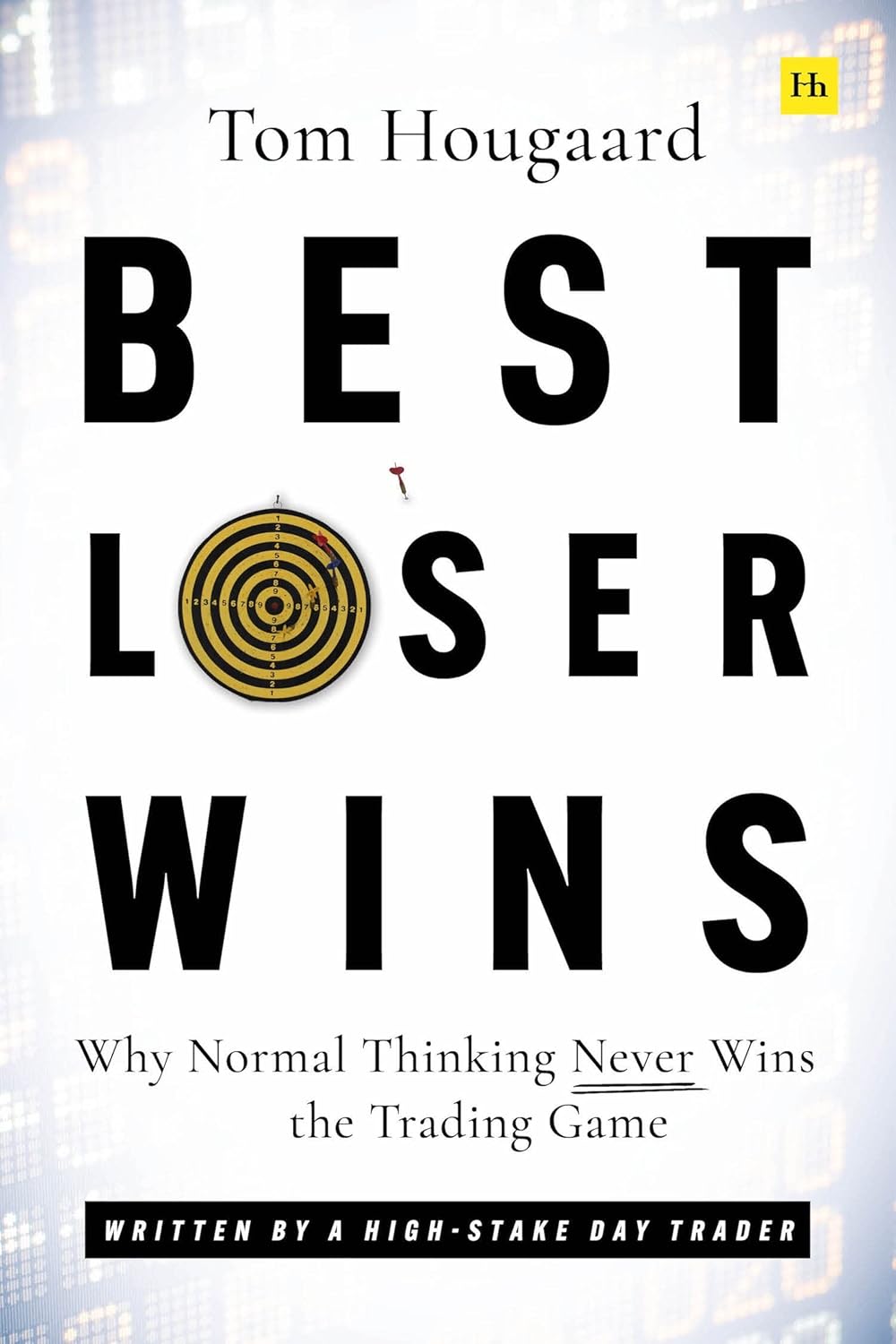
Best Loser Wins
Best Loser Wins focuses on the practical reality of risk, loss acceptance and execution under pressure. Tom Hougaard explains why traders often fail not because they lack analysis, but because they cannot apply their process consistently when uncertainty becomes uncomfortable.
The book fits the NGS Risk & Execution Framework because it connects capital preservation, emotional discipline and real-time decision-making directly to the execution of a trading plan.
Risk fails when decisions become inconsistent.
Increasing size because a setup feels certain
Conviction does not reduce uncertainty. Position size should follow predefined risk.
Moving the stop without a rule
Changing invalidation after entry turns analysis into hope.
Judging process by one result
A well-executed trade can lose, and a poorly executed trade can win.
Trading after the process breaks down
Frustration and revenge trading increase risk when decision quality is already lower.
Explore the other four areas.
Liquidity
Understand where participation concentrates and why key levels matter.
Open Framework → 02Market Structure
Understand trend, range and structural transitions.
Open Framework → 03Macro
Understand the forces shaping the broader market environment.
Open Framework → 05Market Behavior
Study expectations, positioning and reflexivity.
Open Framework →How strong is your risk and execution process?
Take the free assessment to identify your strongest areas, your biggest blind spots, and the next part of the NGS Framework worth improving.
Risk & Execution FAQ
What is the purpose of risk management?
Risk Management limits the financial impact of uncertainty and protects capital across a series of trades.
How should position size be calculated?
Position size should be based on account risk and stop-loss distance, not confidence or recent results.
Does a stop loss guarantee protection?
No. Slippage and market gaps can still occur, but a predefined stop remains an essential part of controlling exposure.
What is good trade execution?
Good execution means following predefined entry, risk and management rules consistently, regardless of emotion or outcome.
Why is process more important than one result?
Individual trades contain randomness. A repeatable process can only be evaluated across a larger series of decisions.
What is the biggest mistake traders make with risk?
Changing exposure based on emotion, conviction or recent performance instead of following a fixed risk framework.